Cine s-a întâlnit cu Roland?
Aude datează Roland de la ? până la ?.
Roland
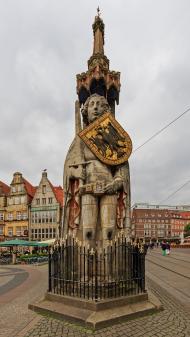
Roland (în francă(d) Hruodland; d. 15 august 778), denumit și Contele Roland, a fost un lider militar franc din timpul lui Carol cel Mare devenit una din principalele figuri ale ciclului literar denumit Matière de France. Roland a fost guvernator militar al mărcii Bretone, responsabil de apărarea frontierei Regatului Franc împotriva bretonilor. Singura atestare istorică despre el provine din Vita Karoli Magni de Eginhard, în care este denumit Hruodlandus Brittannici limitis praefectus („Roland, prefect al hotarelor Bretaniei”) și în care se narează moartea sa în bătălia de la Roncesvalles, când ariergarda condusă de el împreună cu convoiul de provizii al unei armate france a fost atacat de basci rebeli.
Povestea morții lui Roland în timpul retragerii dintr-o campanie din Spania a fost transformată ulterior de literatura medievală și renascentistă. El a devenit astfel paladin al împăratului Carol cel Mare și figură centrală în materialul legendar din jurul acestuia, denumit Matière de France (Ciclul carolingian). Prima și cea mai celebră din aceste opere epice a fost Chanson de Roland, scris în secolul al XI-lea în franceza veche. Două capodopere ale poeziei renascentiste italiene, Orlando innamorato și Orlando furioso, sunt și mai departe de istoria reală decât mai vechile Chansons. Roland apare asociat poetic cu sabia sa, denumită Durendal, cu calul său Veillantif, și cu cornul Oliphaunt.
Citește mai mult...Aude
Aude, or Alda, Alde, was the sister of Oliver and betrothed of Roland in The Song of Roland, and other chansons de geste. The story of her engagement to Roland is told in Girart de Vienne.
In The Song of Roland Aude is first mentioned by her brother Oliver when he tells Roland that the two will never be married, when the two counts are arguing before the battle; they are later reconciled, but both die fighting the Saracens. When Charlemagne returns to Aix and informs Aude that Roland has died, she collapses at the Emperor's feet and dies of grief. In the poem Aude is not a romantic character, but a heroine of drama and even melodrama, she is a leading literary character, on a par with the heroes. Love, treated at greater length still takes on no courtly hue, it is a tragic and absolute love, as in heroic works.
"The Lovely Alda" is part of Edward MacDowell's 1891 orchestral composition, Two Fragments after the Song of Roland.
Citește mai mult...